


Tyres And Punctures: When Can A Tyre Be Repaired And When Does It Need Replacing?
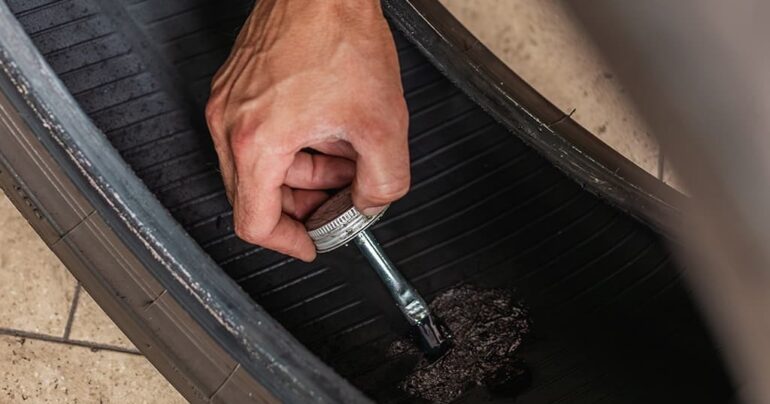
A puncture doesn’t always mean you need a new tyre. Depending on the location and severity of the damage, a professional repair may be possible.
However, sidewall damage, driving on a flat tyre or excessive tread wear can mean replacement is the safer option.
At Just Nice Clean Cars, we help motorists in Warwick with tyre problems, from slow punctures to tyre pressure warning lights that won’t go away.
Here’s what to look out for and when to have your tyres inspected.
Can A Punctured Tyre Be Repaired?
A small puncture in the central tread area may be repairable, provided the tyre is otherwise in good condition.
Whether a repair is suitable depends on:
- Puncture location: Damage within the central three-quarters of the tread is more likely to be repairable.
- Size of the damage: Larger holes, cuts or tears may make repair unsafe.
- Tyre condition: Excessive wear, cracking or previous damage can prevent a repair.
- Driving while flat: Low pressure can cause internal damage, even if the tyre looks fine.
A proper assessment involves checking the tyre’s condition, including internal damage where necessary.
How Do You Know If You Have A Slow Puncture?
Slow punctures can take days or weeks to become noticeable.
Common signs include:
- One tyre repeatedly needing air
- A tyre pressure warning light appearing
- Your car pulling slightly to one side
- A nail or screw embedded in the tread
- One tyre looking flatter than the others
Pressure loss can also result from a leaking valve, poor wheel-rim seal or temperature changes.
If you’re regularly topping up the same tyre, have it inspected rather than continuing to add air.
What Should You Do If You Get A Puncture While Driving?
If you suspect a puncture, reduce speed gradually and find somewhere safe to stop.
- Keep a firm grip on the steering wheel and avoid sudden braking.
- Slow down gently and pull over safely.
- Switch on your hazard warning lights if necessary.
- Check the tyre only when it’s safe to do so.
- Arrange roadside assistance if the tyre is flat or unsafe.
Continuing to drive on a flat tyre can cause internal damage and make a repair impossible.
On motorways, follow breakdown safety guidance rather than attempting a tyre change in an unsafe location.
Why Is My Tyre Pressure Warning Light On?
Most modern cars have a Tyre Pressure Monitoring System (TPMS) that warns when tyre pressure drops or the system develops a fault.
Possible causes include:
- Low tyre pressure or a puncture
- A faulty pressure sensor
- A depleted sensor battery
- A system requiring resetting or recalibration
First, check your tyre pressures against the manufacturer’s recommended figures, usually found in the handbook or driver’s door area.
If the warning remains despite correct pressures, the system may need investigating.
Could It Just Be A Flat TPMS Sensor Battery?
Yes. Some vehicles have electronic pressure sensors inside the wheels, powered by small batteries that eventually run out.
A depleted battery can stop the sensor communicating with the vehicle, triggering a warning even when tyre pressure is correct.
Most direct TPMS sensor batteries are sealed inside the sensor, meaning the complete sensor usually needs replacing and configuring.
Other vehicles use indirect monitoring through wheel-speed information and don’t have battery-powered wheel sensors.
Identifying your vehicle’s system helps determine the correct repair.
Can A Tyre Pressure Warning Light Cause An MOT Failure?
Yes, a malfunctioning TPMS can cause an MOT failure, although not every tyre pressure warning automatically results in one.
For Class 4 passenger cars first used on or after 1 January 2012, a malfunctioning tyre pressure monitoring system can result in an MOT failure.
A system that is malfunctioning or obviously not working is classed as a major defect.
However, testers distinguish between low tyre pressure warnings and monitoring-system faults. Where the cause is unclear, an advisory may be appropriate.
This means a failed sensor or depleted battery could contribute to an MOT failure, even when the tyres are correctly inflated.
Read our guide to whether a TPMS battery can cause an MOT failure.
What Tyre Problems Can Cause An MOT Failure?
For most passenger cars, the legal minimum tread depth is 1.6mm across the central three-quarters of the tyre’s width and around its entire circumference.
Other potential MOT failures include:
- Cuts exposing the tyre’s internal structure
- Bulges indicating structural damage
- Unsuitable tyre load or speed ratings
- Incorrectly fitted or incompatible tyres
- A malfunctioning TPMS on applicable vehicles
Serious tyre damage can be classified as dangerous, so regular inspections are important.
Find out more about our MOT testing services.
How Often Should You Check Your Tyres?
Check tyre pressures and condition at least once a month and before longer journeys.
Look for:
- Pressure: Use the manufacturer’s recommended cold tyre pressures.
- Tread depth: Ensure sufficient tread across the tyre.
- Damage: Check for cuts, bulges, cracks and embedded objects.
- Uneven wear: This may indicate alignment or suspension problems.
- Valve condition: Look for damage or signs of leakage.
Recommended pressures may vary depending on passengers and luggage, so always check your vehicle’s guidance.
Tyres And Punctures: Frequently Asked Questions
Can You Drive With A Nail In Your Tyre?
It’s best to have the tyre assessed promptly. A nail may be slowing the leak, but it can move or allow further pressure loss. Avoid removing it yourself.
Is It Cheaper To Repair A Puncture Than Replace A Tyre?
A straightforward repair is generally cheaper, but only when the damage meets the relevant safety requirements.
Why Does My Tyre Keep Losing Pressure Without A Visible Puncture?
Possible causes include a leaking valve, poor rim seal, small puncture or temperature changes. An inspection can identify the cause.
Will My TPMS Warning Light Go Off After Inflating My Tyres?
Often, yes. Some vehicles reset automatically, while others require recalibration. If the warning returns, further investigation may be needed.
Can A Dead TPMS Sensor Battery Be Replaced?
Most direct TPMS sensors have sealed batteries, so the complete sensor is usually replaced and programmed or relearned.
Should I Replace Both Tyres On The Same Axle?
Not always. It depends on tyre condition, tread depth and manufacturer requirements. Some all-wheel-drive vehicles have stricter requirements.
Need Help With A Puncture Or Tyre Warning Light In Warwick?
Whether you’ve noticed a slow puncture, need replacement tyres or have a persistent pressure warning, identifying the cause early can prevent further problems.
At Just Nice Clean Cars, our experienced team can assess tyre condition and investigate warning lights, offering straightforward advice on the next steps.
We’re a family-run, AA Approved Garage based in Warwick, helping local motorists keep their vehicles safe and roadworthy.
Explore our tyre services in Warwick, or call 01926 836900 if you’re concerned about a puncture or warning light.